
Cyclone Harry
a once in a century storm

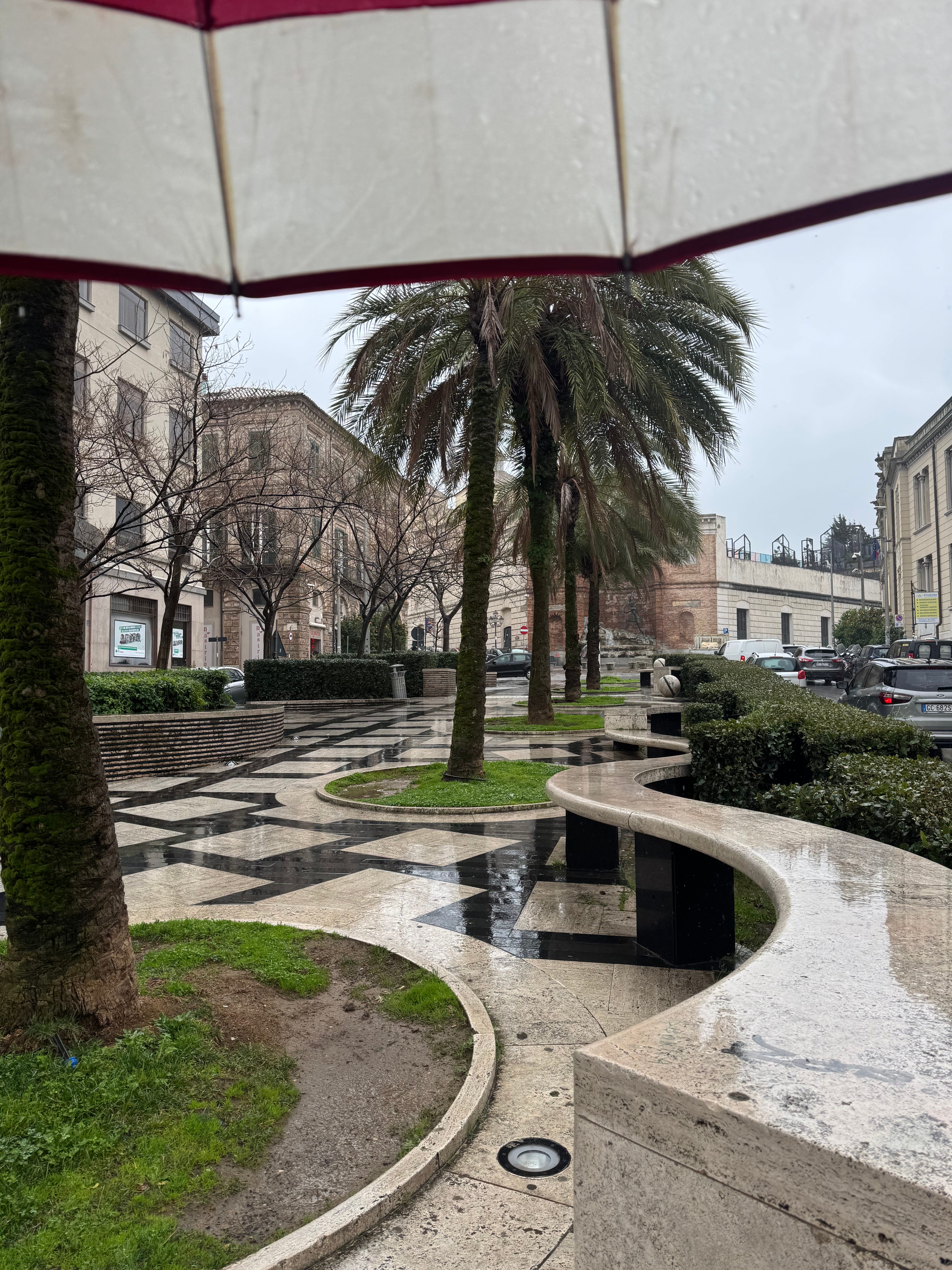
It’s still raining in Calabria, and it feels like we can’t catch a break. Today marks more than two weeks of nonstop storms, enough to make us dream of summer.
Crystal-clear water, soft sandy beaches, peaceful sunsets. It’s strange to think the same calm sea becomes a battering ram in winter. And yet, the evidence is clear after only a short walk along the port.
Sandstone blocks the size of a horse tossed aside, cracks spread through meter-thick reinforced concrete, and structures shift as if made out of paper. You don’t expect that kind of force until you see it.
We might not have snow, but we do have sea tornadoes that rise from the water and gather strength as they move. Thankfully, they rarely make landfall.
When Cyclone Harry hit, the skies darkened, and the rain and wind howled for days. Heavy potted plants flew from balconies, shattering into a million pieces. Even the thunder — which I’ve grown particularly fond of — clapped too close for comfort.
Our groves sit close to the Ionian Sea, and in normal times we’re grateful for that. We can hear the cawing of seabirds and, on the quietest of days, the whispers of lapping water. Salt is always carried on the wind along with wild herbs. The ionic wind helps the trees breathe and adds many of the flavor profiles we love in our extra virgin olive oils.
But the downside of this is exposure. There’s no valley to protect us from the winds, so when storms roll in, the trees must fend for themselves. Each gust tests their balance and the excess water the roots as there’s no retreat.
The fourth day after the storm, we walked the groves and were relieved to see no serious damage. That’s thanks to Giuseppe’s obsessive attention to detail and his careful pruning methods.
Unfortunately, the ground is still incredibly muddy. And while we farm regeneratively, which means leaving a layer of grass between the trees, the soil shows no sign of drying out because it just won’t stop raining. But we know we’ll appreciate the extra water when summer comes and months pass without a single drop.
Get 20% off your 1st order of our Italian olive oil here.
We aren’t ride-alongs
While we came out of Cyclone Harry relatively unscathed, Sicily and western Calabria were hit hard, with states of emergency declared in both regions.
Winds reached nearly 150 km/h (90 mph), waves climbed to 10 meters, with a record 16.66 meters measured at sea, and more than 300 mm (12 inches) of rain fell over just a few days. Total damages are estimated at €1.24 billion, with about €300 million of that sum in Calabria. And these are only initial numbers.
The silver lining is that January and February are when repairs for summer travel begin. The work this year will be heavier, but it may give some roads the chance to be updated after years of delay.
In southern Italy, storms often expose deeper problems tied to old, neglected infrastructure that are overdue for an update. However, something else has emerged from the rain and fallen stone: the quiet, ever-persistent resentment towards southern Italy.
As Cyclone Harry crossed Calabria and Sicily, another storm brewed online and in public discourse: careless comments, a dismissiveness, and even at some points, open hostility.
This chatter points to something deeper, more structural about the divide between northern and southern Italy.
But what stood out most was not what was said but what was left unsaid. The nation failed to give attention to such a horrible event that impacted so many people and two business sectors that Italy is renowned for — tourism and food (agriculture).
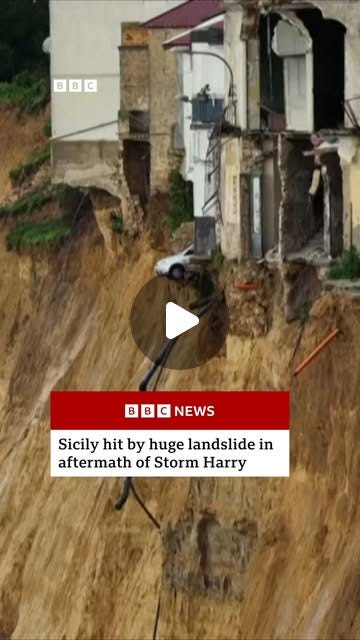
Cyclone Harry was barely shown on national television, and when it was, it was framed as an inconvenience. As if an entire beach being swept away in a high tourist area is an annual occurrence.
When disasters strike central or northern Italy, coverage of that event is huge, and there’s solidarity within the country. But in Calabria and Sicily, the expectation is that the people and businesses should simply absorb the damage quietly. Rebuild alone and move on. This is so incredibly isolating and furthers those emotions of resentment and, above all, abandonment.
This pattern goes so much further than storms, reaching into healthcare, education, and technology.
Cyclone Harry didn’t just wash away beaches, flood ports, and roads; it re-exposed the gap within a country through a lack of empathy, urgency, and resources.
While the damages currently total over 1.2 billion euros, Italy has only allocated €100 million for impacted regions. That’s just €33.3 million each for Sicily, Calabria, and Sardinia.
Calabria and Sicily are not useless ride-alongs in Italy’s story. They’re part of the country’s foundation, its food system, and emerging travel markets. The resilience forced upon these regions should not excuse neglect.
If Italy wants a stronger future, it must stop treating the south as the lonely middle child and start caring for it as a full, vital part of the nation.
Thank you for your messages and emails checking in on us during the storm. Our family and the trees appreciate the extra love.
A presto,
-Giuseppe and Skyler
Next: A recipe for Calabrian stuffed artichokes for paid subscribers & club members
But Salvini refuses to use any of the €13.5bn set aside for the White Elephant, Messina Bridge.
The Mezzogiorno has always been treated as such and they wonder why there's little regard for central government
Here in Rome, where I’m reading the news and trying to understand the extent of the damage and find out exactly which towns were affected, it’s hard because, as you pointed out, the coverage has been really lacking. As I told a friend in Palermo already, if you hear of any fundraising efforts, please tell me and I’ll help spread the word.